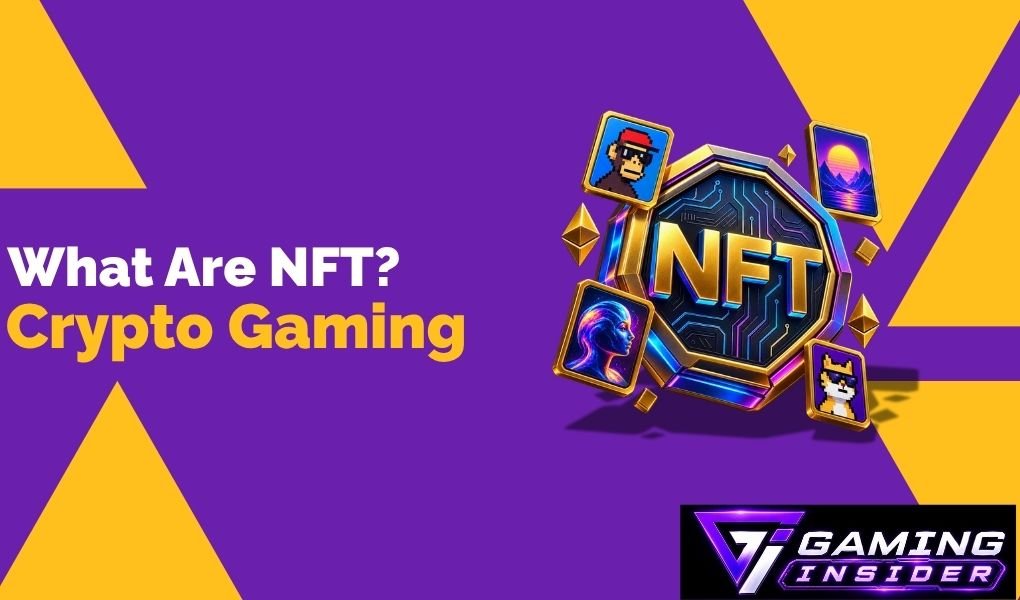
If you’ve been exploring crypto gaming, you’ve probably come across NFTs attached to characters, weapons, cards or virtual land. The confusing part is what those NFTs actually give you as a player.
Unlike a conventional game item locked to your account, an NFT is recorded on a blockchain and can, where supported, be transferred independently of the game. But that doesn’t mean you automatically own the game’s artwork, copyright or permanent use of the item.
This guide breaks down what NFTs are in crypto gaming, how they work, what you actually own, and the risks worth understanding before spending money on one.
What Are NFTs in Crypto Gaming?
NFTs in crypto gaming are unique blockchain tokens that represent digital assets connected to a game. Unlike fungible cryptocurrencies, NFTs have individual identities and properties, meaning one NFT is not simply interchangeable with another.
Ethereum describes NFTs as unique digital assets with distinct properties and ownership records stored on-chain. Its gaming documentation also highlights how NFTs can represent functional assets rather than simply static collectibles.
In practice, a game might use an NFT to represent a character, weapon, collectible card, cosmetic item or virtual piece of land.
If you’re new to the wider subject, our guide to what is crypto gaming explains where NFTs fit into the broader gaming model.
How Do NFTs Work in Crypto Games?
NFT gaming combines conventional game technology with blockchain infrastructure. The game controls the gameplay, while the blockchain can record ownership and transactions involving specific digital assets.
A typical process looks like this:
- The developer creates an NFT representing a particular game asset.
- A smart contract records the token on a compatible blockchain.
- The player receives or purchases the NFT through the game’s system or a supported marketplace.
- The player’s wallet controls the token, with ownership recorded on-chain.
- The NFT can potentially be transferred or sold if the game and marketplace allow it.
Not every part of an NFT game needs to operate on a blockchain. Developers can keep gameplay and other functions on conventional servers while using blockchain technology for selected assets and transactions.
For a broader explanation of the technology behind these games, see our guide to how crypto gaming works.
What Can NFTs Represent in Crypto Gaming?
NFTs are particularly useful for digital assets that need individual identities or properties. Their role varies from one game to another.
Characters and avatars
An NFT can represent a unique playable character or avatar. Different tokens can have different appearances, attributes or traits.
Common uses:
- Playable characters
- Digital avatars
- Collectible characters
- Unique character traits
Weapons and equipment
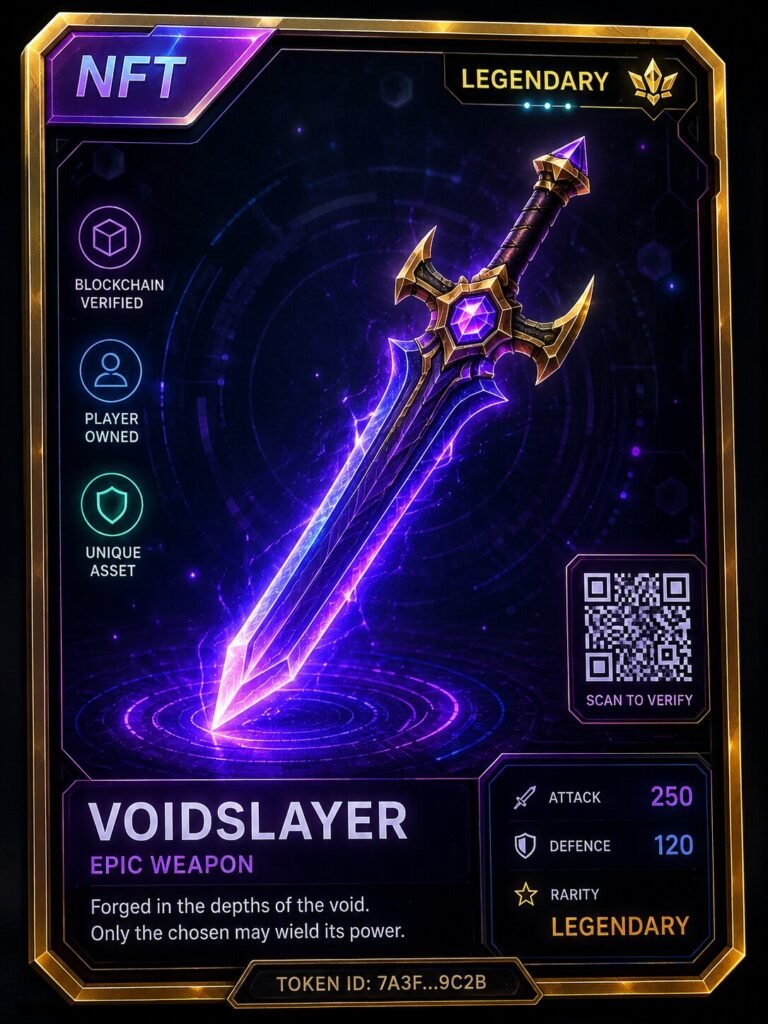
Some blockchain games use NFTs for weapons, armour and other equipment. Each token can have its own identifier and properties.
However, owning the NFT does not automatically mean owning the game’s artwork, software or intellectual property. Those rights depend on the developer’s terms.
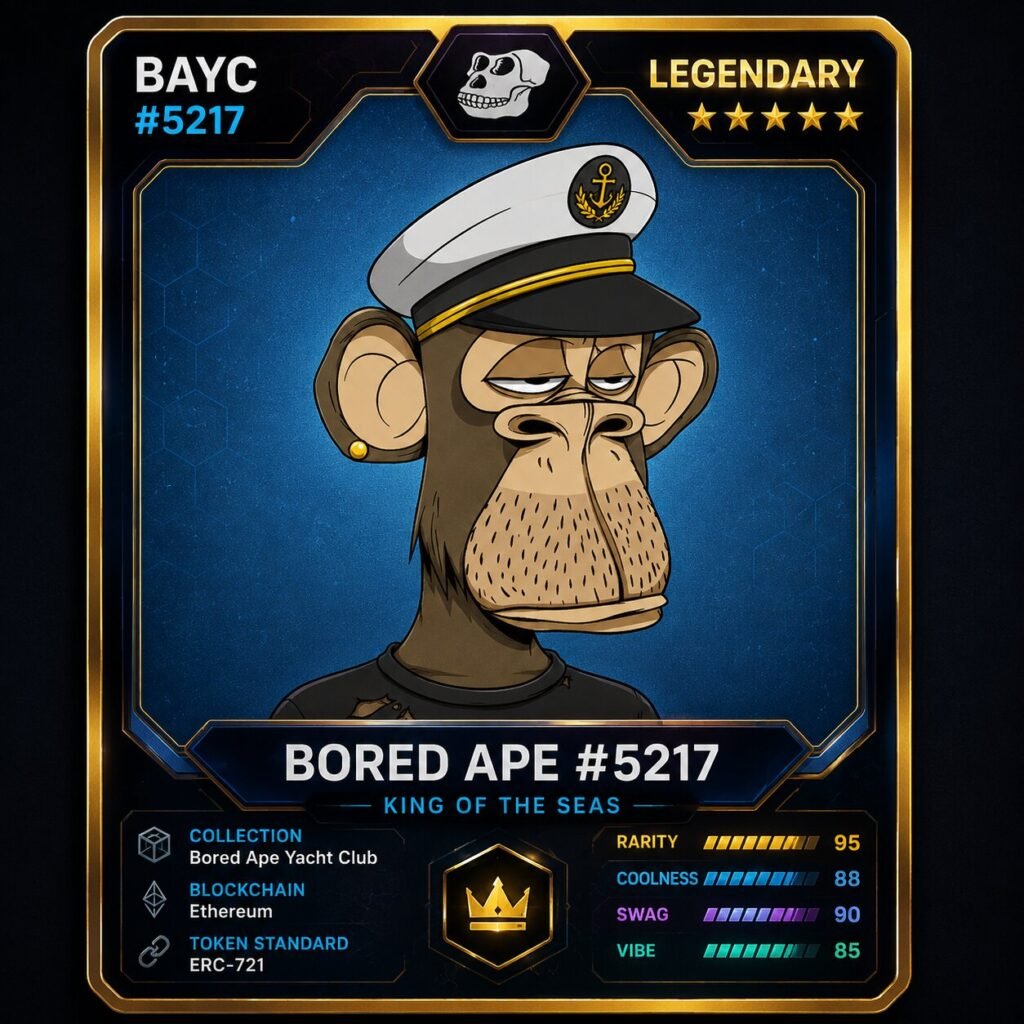
Cards and collectibles
NFTs can represent digital trading cards, trophies and other collectibles. The blockchain can record the identity and ownership history of each token.
This can make an NFT-based collection different from a conventional collection stored entirely within a game’s database.
Virtual land
Some crypto games use NFTs to represent plots of virtual land or other locations within a digital world.
The NFT identifies the particular asset, while the game determines what the land does and what the player can actually use it for.
NFT vs Cryptocurrency: What’s the Difference?
The main difference is fungibility.
Cryptocurrencies and other fungible tokens are generally interchangeable. One unit of the same token has the same basic identity as another. NFTs are individually identifiable, so each token can have different characteristics and value.
| Feature | Cryptocurrency | NFT |
|---|---|---|
| Interchangeable | Generally yes | No |
| Unique identity | Usually no | Yes |
| Common gaming role | Currency or rewards | Items, characters and collectibles |
| Main characteristic | Fungibility | Uniqueness |
A crypto game can use both types of tokens. A game could, for example, use a fungible token as currency while using NFTs for individual characters or equipment.
Why Do Crypto Games Use NFTs?
NFTs give developers a way to represent selected digital assets as individually identifiable blockchain tokens. For players, that can create ownership and transfer options that are different from conventional game inventories.
Potential benefits include:
- Verifiable ownership: The blockchain records which wallet controls a particular token.
- Transferability: Supported NFTs can potentially move between compatible wallets.
- Digital scarcity: Developers can create assets with defined quantities.
- Collectability: Players can build collections of unique digital items.
- Player trading: Some games allow supported assets to be bought and sold.
Ethereum’s current gaming documentation describes NFTs as unique assets with on-chain ownership records and notes that gaming NFTs can be used as functional digital assets.
However, NFTs do not automatically make a game play-to-earn. If you want to understand that model separately, see our guide to what is play-to-earn gaming.
What Do You Actually Own When You Buy a Gaming NFT?
This is the part of NFT gaming that is often oversimplified.
Owning an NFT generally means controlling a specific blockchain token through your wallet. It does not automatically mean you own the game’s copyright, software, artwork or permanent rights to use the associated item.
For example, suppose an NFT represents a digital sword. The blockchain may prove that your wallet controls that particular token. The game’s developer can still control the game’s servers, software, artwork and intellectual property.
The practical value of the NFT therefore depends on the rules established by the game.
Before buying one, check:
- What exactly does the NFT represent?
- What rights does the holder receive?
- Is its functionality dependent on the game?
- Where is its metadata stored?
- What happens if the game stops operating?
- Can it be transferred through a supported wallet or marketplace?
This distinction matters because blockchain ownership of a token is not the same as ownership of the entire digital asset surrounding it.
That is one of the most important differences between understanding how NFTs work and simply assuming that every NFT provides unrestricted ownership.
Can Gaming NFTs Be Used in Other Games?
Sometimes, but interoperability is not automatic.
An NFT created for one game cannot simply be inserted into another game and expected to work. The second game would need to recognise the token, understand its relevant data and decide how it should function.
Developers would also need compatible technical standards and a reason to support the asset.
This means transferability and interoperability are different things. An NFT might be transferable between supported wallets while remaining usable only within the game for which it was created.
That distinction is particularly important when evaluating claims that an NFT can be used across multiple games.
What Are the Risks of Gaming NFTs?
NFTs introduce financial and technical risks that players do not normally encounter with standard game items.
| Risk | What it means |
|---|---|
| Price volatility | An NFT can lose market value quickly |
| Scams | Fake collections and marketplaces can target players |
| Wallet security | Losing wallet access can mean losing access to assets |
| Game shutdowns | An NFT can lose practical utility if its game closes |
| Low liquidity | There may not be a buyer when you want to sell |
| Changing game rules | Developers can alter how an asset functions |
UK players should also understand the regulatory position. The FCA states that it does not have regulatory oversight over direct investments in cryptoassets and NFTs, and warns that consumers should be prepared to lose all the money they invest.
The FCA’s wider cryptoasset guidance also identifies consumer losses, fraud and service-provider failures among the risks associated with the sector.
For that reason, an NFT should not be treated as a guaranteed investment simply because it is connected to a popular game.
How to Check an NFT Game Before Buying
You do not need to become a blockchain expert before evaluating an NFT game. A few practical checks can tell you whether the token has genuine utility.
- Check what the NFT actually does
Find out how the asset is used in the game rather than judging it only by rarity or price.
- Read the ownership terms
Find out how the asset is used in the game rather than judging it only by rarity or price.
- Check the blockchain and wallet support
Confirm which blockchain the game uses and whether the NFT can actually be transferred using supported wallets.
- Consider what happens if the game disappears
If the game’s servers or marketplace shut down, ask whether the NFT would still have any meaningful function.
- Use supported marketplaces
Follow the game’s official information when checking where its NFTs can be traded. Avoid random marketplace links sent through social media or private messages.
These checks help separate an NFT with genuine gameplay utility from one whose appeal is based mainly on speculation.
People Also Ask About NFTs in Crypto Gaming
No. A conventional item is normally controlled through a game’s own account system, while an NFT is represented by a blockchain token. The game still determines how the NFT functions.
Some gaming NFTs can be transferred or sold through supported marketplaces. Whether you can sell one depends on the game’s design, blockchain and trading rules.
No. NFTs can be part of a play-to-earn economy, but simply using NFTs does not mean a game allows players to earn money or crypto.
That depends on the NFT’s actual utility, ownership terms and risks. Buying one solely because you expect its price to rise is considerably more speculative than buying it for its gaming use.
NFTs carry financial, technical and security risks. The FCA warns that direct investments in cryptoassets and NFTs do not have the same consumer protections as regulated financial products.
Final Verdict on NFT in Crypto Gaming
NFTs in crypto gaming are unique blockchain tokens that can represent characters, weapons, cards, collectibles, land and other digital assets. Their main difference from conventional game items is that ownership of the token can be recorded and, where supported, transferred through blockchain infrastructure.
But owning the token does not automatically mean owning the game’s copyright, software or permanent use of the asset. For UK gamers, the sensible approach is to look beyond rarity and price: understand what the NFT does, what rights come with it and what happens if the game stops supporting it.